ClassesCGT 118: Fundamentals of Imaging TechnologyThis course provides a foundation for the development and use of raster and vector images for a variety of industries. Full-color images and illustrations are produced using computer technologies, with a focus on both technical and aesthetic aspects. Topics include color theory and perception, surface and lighting analysis, motion, rendering techniques, and technical characteristics. 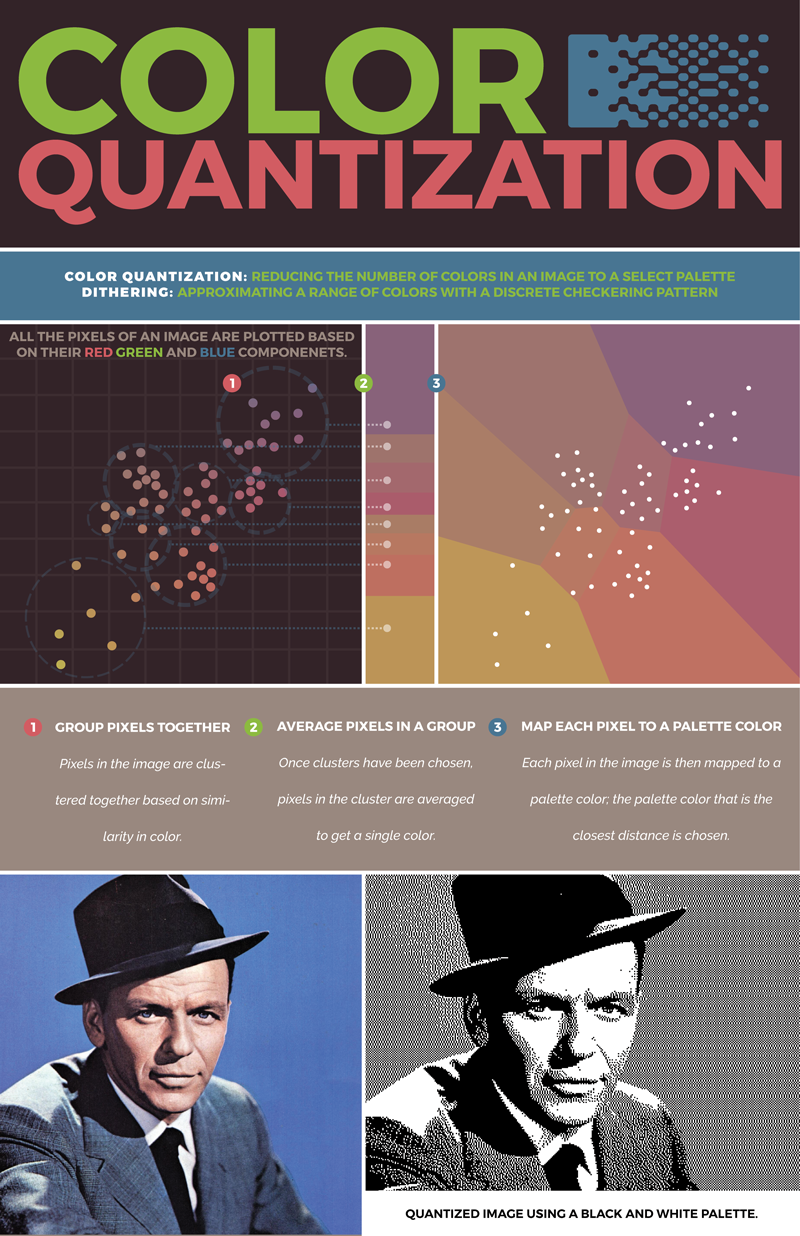
Infographic project by Aaron Eads Course objectives
Motion graphics reel CGT 321: Digital IllustrationThis course applies fundamental computer graphics concepts of visualization, communication and creativity using a painting metaphor. Exercises and projects in graphic theory, problem solving and painting skill development provides students with activities that focus on further development within the digital illustration discipline. A variety of drawing and painting techniques are used to transform concepts into communicative visual artifacts. 
Painting by Priya Johal Course objectives
CGT 218: Open Estudio - Study Abroad in MedellínThis interdisciplinary course invites Purdue students to reflect on global culture, location and society, while simultaneously learning practical knowledge in programming, interactive visualization, locative media, 3D modeling and animation. The class integrates field trips, brainstorming sessions and technical training to create context-based interactive art. 
Course objectives
CGT 581: Digital FabricationThis course provides an in‐depth inspection of current methods and processes of digital fabrication such as CNC, Laser and 3D printing technology. Students will analyze current practices and incorporate them formulating new design strategies to create original artifacts. This interdisciplinary course focuses on theoretical aspects of materials science, machine tool technology and graphics, while implementing them through digital manufacture process. During this course experience, students will research, design and create functional and aesthetic physical objects. Students will independently research the existing literature on digital fabrication techniques, and will continually evaluate the students’ ability to validate their design plans, process and execution based on the feedback provided by their peers and faculty instructors. 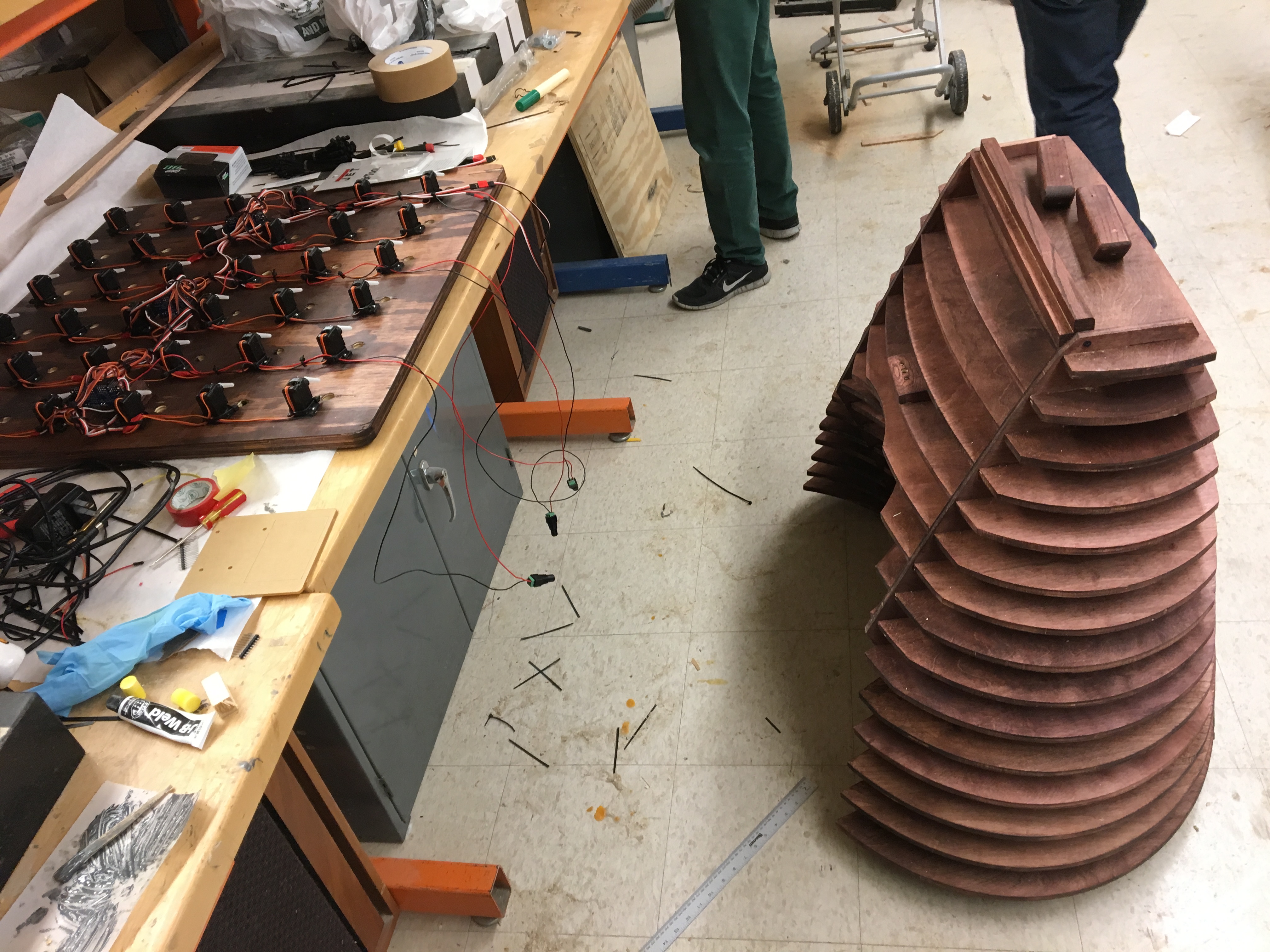
Course objectives
|